The evolution of gambling A historical journey through time and chance MrSloty
MrSloty: A Glimpse into the Origins of Gambling
The roots of gambling can be traced back to ancient civilizations, where evidence suggests that people engaged in betting as far back as 3000 BC. In Mesopotamia, clay tablets have been discovered that detail various games of chance involving dice. These early forms of gambling were often tied to religious beliefs and rituals, indicating that the act of wagering was as much about spirituality as it was about chance. As cultures evolved, so did the complexities of gambling, paving the way for the sophisticated systems we see today. Among these advancements, you can explore more at https://mr-sloty.uk/, which illustrates modern gaming trends.
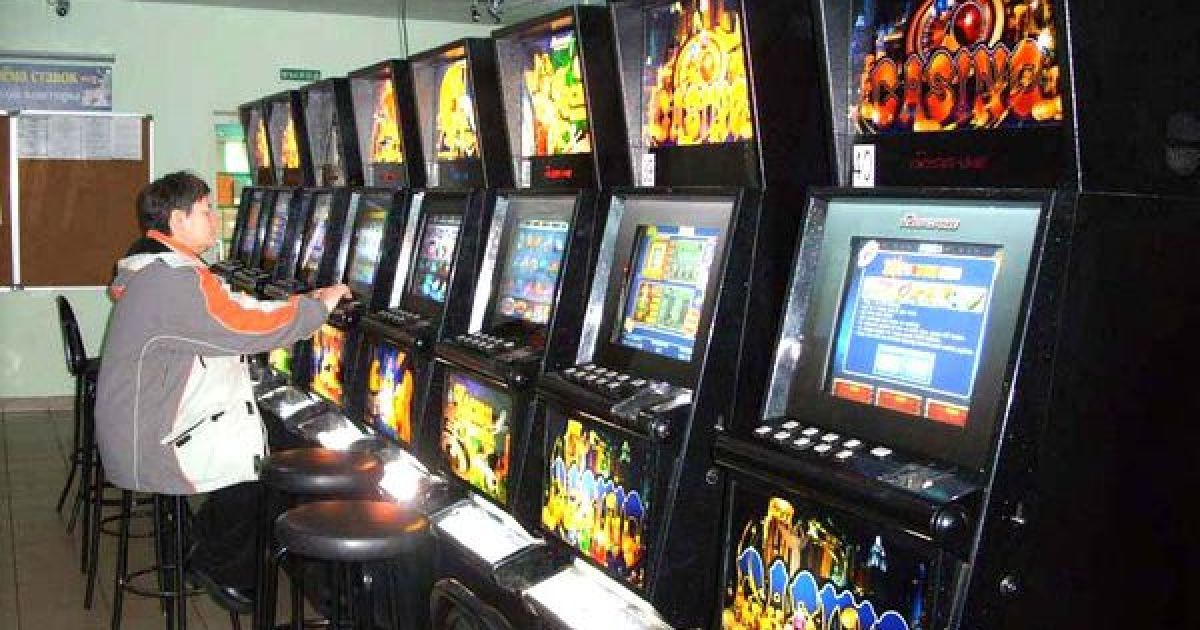
In ancient China, around 200 BC, the game of Keno emerged, which included a betting system based on selecting numbers. This laid the foundation for various lottery games, highlighting how the principles of chance were increasingly embraced. The Greeks and Romans also contributed significantly to the evolution of gambling, particularly with games like dice and betting on gladiatorial contests, further embedding the practice in cultural traditions. The historical context sets the stage for understanding modern gambling dynamics.
The Middle Ages saw a proliferation of gambling activities across Europe, often associated with fairs and festivals. Card games gained popularity during this period, particularly in Italy and France. The invention of playing cards around the 14th century transformed gambling from a chance-based activity to one that involved skill and strategy. As gambling spread throughout the continent, regulations began to emerge, reflecting societal attitudes towards the activity—both positive and negative—as it transitioned into a recognized form of entertainment.
The Rise of Casinos and Betting Houses
The first official casino, the Casino di Venezia, opened its doors in 1638 in Venice, Italy. This establishment marked a significant turning point in gambling history, as it transitioned from informal bets among individuals to organized venues dedicated to games of chance. The allure of casinos quickly spread across Europe, from the opulent establishments in Monte Carlo to the elegant saloons of the American West. These venues not only provided a place to gamble but also became social hubs, attracting people from various walks of life.
The 19th century saw the emergence of gaming houses in America, primarily during the Gold Rush era. Establishments like the famous “wild west” saloons offered card games, dice, and eventually slot machines, reflecting a burgeoning gambling culture. The introduction of games like poker became a staple, and by the late 1800s, states began to regulate gambling, with laws aimed at curbing illegal operations. This era established the foundation for modern gambling regulations and the rise of licensed casinos.
The 20th century witnessed the expansion of casinos into glamorous resorts, particularly in Las Vegas. The combination of entertainment, luxury, and betting created a unique experience that appealed to millions. Major events, such as high-stakes poker tournaments and boxing matches, drew spectators and participants, further intertwining gambling with popular culture. This evolution transformed gambling into a global phenomenon, as other cities sought to replicate the success of Las Vegas, leading to the establishment of casinos worldwide.
The Impact of Technology on Gambling
The late 20th and early 21st centuries ushered in a technological revolution that fundamentally changed the landscape of gambling. The advent of the internet enabled online casinos to emerge, providing players with the convenience of betting from their homes. Websites offering virtual poker, slots, and betting on sports began to attract millions of users, creating a significant shift from traditional brick-and-mortar establishments. This transition not only expanded accessibility but also increased competition among operators.
Mobile technology further revolutionized gambling, allowing players to engage in their favorite games on smartphones and tablets. The rise of apps transformed the gambling experience, providing real-time betting and innovative features such as live dealer games. The seamless integration of technology into gambling has created opportunities for new forms of betting, such as in-game betting in sports, which appeals to younger generations seeking dynamic and interactive experiences.
Additionally, the introduction of cryptocurrencies has introduced an entirely new dimension to gambling. Digital currencies like Bitcoin allow for anonymous transactions, appealing to those wary of traditional banking methods. This shift towards digital currencies in gambling reflects a broader trend of embracing innovation, allowing operators to offer more secure and efficient payment options. As technology continues to evolve, it remains to be seen how it will shape the future of gambling.
Societal Perspectives on Gambling
Throughout history, societal attitudes towards gambling have varied significantly, influenced by cultural, religious, and economic factors. In some cultures, gambling is viewed as a harmless pastime, while in others, it is frowned upon or considered immoral. For instance, many Asian cultures have a long history of gambling as a form of entertainment, often intertwined with social gatherings and celebrations. In contrast, some Western societies have historically associated gambling with vice and addiction, prompting calls for stricter regulations.
As gambling has evolved, so too have approaches to responsible gambling. The recognition of gambling addiction as a serious issue has led to initiatives aimed at promoting safe betting practices and providing support for those affected. Many casinos and online platforms now include tools for self-exclusion and budget management, emphasizing the importance of responsible gambling. This shift reflects a growing awareness of the potential risks associated with gambling and the need for operators to take proactive measures.
Recent years have also seen increased discussions surrounding the economic impact of gambling. While some argue that casinos and betting establishments contribute positively to local economies through job creation and tourism, others raise concerns about social issues such as crime and poverty in areas surrounding these venues. This ongoing debate highlights the complexity of gambling’s role in society, balancing economic benefits with the need for ethical considerations and support systems.

MrSloty: The Future of Online Gambling
MrSloty stands at the forefront of the online gambling revolution, embodying the evolution of betting in the digital age. With an extensive collection of games ranging from classic slots to live dealer experiences, MrSloty caters to a diverse audience seeking both entertainment and excitement. The platform exemplifies the integration of cutting-edge technology into gambling, offering an immersive experience for players looking to enjoy their favorite games anytime, anywhere.
The commitment to responsible gaming is another hallmark of MrSloty. By providing resources for players to manage their gambling habits and ensure a safe betting environment, the platform exemplifies a modern approach to online gaming. This focus on player welfare is becoming increasingly important in an industry that faces scrutiny over its social impact. As the landscape of gambling continues to evolve, MrSloty aims to be a leader in promoting healthy gambling practices.
As we look toward the future, MrSloty is well-positioned to adapt to changing trends and technologies within the gambling industry. With advancements in virtual reality, blockchain technology, and artificial intelligence, the platform is poised to enhance user experiences further. The evolution of gambling is a fascinating journey, and MrSloty is committed to being a part of its exciting future, embracing innovation while prioritizing player safety and satisfaction.